Quick answer: one or two weeks of the same number on the scale isn’t a plateau. It’s usually water. A real plateau is when your weekly average weight, your measurements and your progress photos have all stayed the same for several weeks in a row, even though you’ve been consistent. Check all three before you change anything, and even then, don’t reach for “eat less” first.
So here’s how it usually goes. You’ve been doing great. The scale’s been moving. And then one week, it just stops. Maybe it even goes up a pound. And your first thought is, “I’ve hit a plateau. I need to cut more.” So you drop your calories again, you get hungrier, and you’re more miserable, and a lot of the time the scale still doesn’t move.
Before you do that, let’s make sure it’s actually a plateau. So here’s what we’ll cover. First, why the scale lies to you day to day. Second, the three checks that tell you if it’s real. And third, what to do if it is.
Why the scale lies to you day to day
Your body weight bounces around every single day, and most of it has nothing to do with fat. Water, the salt in last night’s dinner, a hard workout, stress, a bad night’s sleep, even how much food is still in your system. All of that moves the number, sometimes by a few pounds overnight.
Think of it like watching a plant grow. I love this one from my book. If you stare at a plant every day, you’d swear it’s not growing at all. But take a picture once a week, and after a month the change is obvious. Fat loss works the same way. Day to day you can’t see it. Over weeks you can.
So one weigh-in tells you almost nothing. The trend tells you everything.
How do you know if it’s a real plateau?
Here are the three checks from my book. You need all three.
Check one: your weekly average, not your daily weight
Weigh yourself every morning under the same conditions: right after you wake up, after the bathroom, before you eat or drink anything. Then, at the end of the week, add up the seven numbers and divide by seven. That’s your weekly average, and it smooths out all the water noise.
Compare this week’s average to last week’s. Not Tuesday to Wednesday.
Check two: your measurements
A tape measure around your waist, same spot, once a week. Sometimes the scale holds still while the waist keeps shrinking, especially if you’re lifting and holding on to muscle.
Check three: your progress photos
Same day each week, same time, same lighting. Photos pick up changes the scale can hide.
It’s a real plateau when all three stop moving for several weeks in a row, while you’re actually sticking to the plan. If even one of them is still moving, you’re still making progress. Leave it alone.
How long does a weight loss plateau last?
That depends on what’s causing it. If it’s water, it can clear up in a few days, often with a sudden “whoosh” on the scale. If it’s a real plateau, where your body has adapted to the diet, it lasts until you change something. That adaptation is real, by the way. Your body goes into budget mode when you’ve been in a deficit for a while, and I explain exactly how that works in why your weight loss stopped.
What to do if it’s a real plateau
Here’s the part most people get backwards. My book is very clear on this: don’t automatically assume eating less is the answer. Before you touch your calories, look at the easy levers first:
- Move more. Add some daily steps. The movement you do outside the gym adds up to more than people think.
- Sleep better. Short sleep makes you hungrier and makes everything harder.
- Check your protein. If it’s slipped, bring it back up. It protects your muscle and helps with hunger. (Here’s how to work out your number.)
- Add a little easy activity. A walk after dinner counts.
And if you’ve been dieting for months straight, the answer might be the opposite of cutting: a planned break at maintenance. In my book that’s the MATADOR cheat code, and it’s covered in the plateau post linked above.
The one thing to do this week
Don’t change your calories. Just start measuring properly: weigh in every morning, write it down, and on day seven work out your average. Take one photo and one waist measurement. Next week, you’ll know if you’re really stuck, instead of guessing.
If you want more cheat codes like this sent straight to your inbox, sign up here. It’s completely free, and just for signing up, I’ll also send you my guide, the 10 Fat Loss Commandments.
Send me the commandments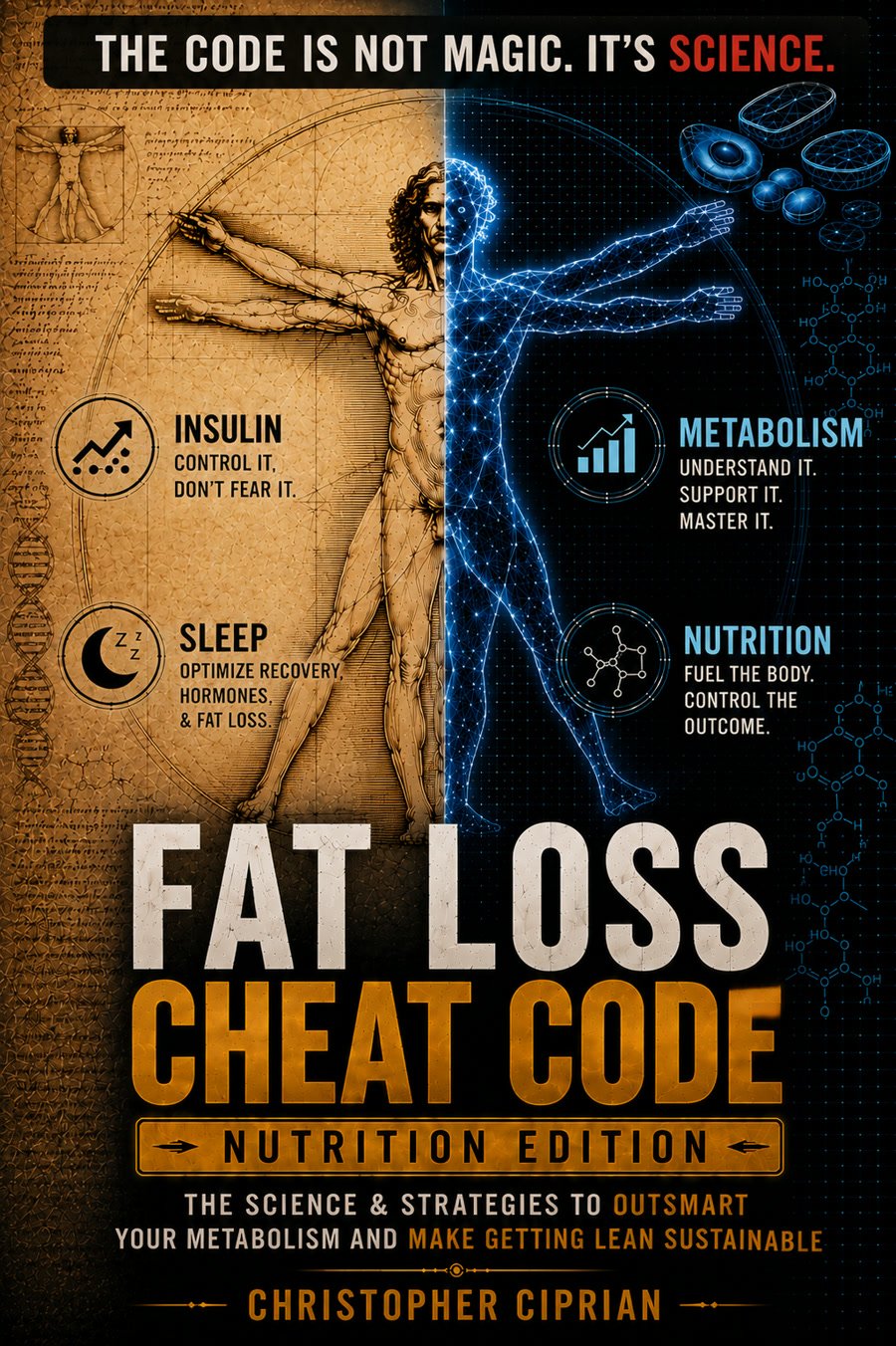
The whole system is in my book, Fat Loss Cheat Code: Nutrition Edition. It’s how you outsmart your metabolism, with every cheat code and the science behind it, including how to measure, how to set your deficit, and what to do when progress stalls.
Buy on AmazonAnd if you’d rather have someone look at your numbers with you every week and tell you what they mean, that’s what coaching is for.