
Quick answer: the “keto flu” is the adjustment period when you cut carbs and your body switches to burning fat. It usually lasts one to three weeks. You might feel tired, foggy or flat, and your hunger can rise before it settles. Stay hydrated, take your electrolytes, keep protein high, and give it three full weeks before you judge it.
It’s day four. You cut the carbs, you’re doing everything right, and you feel like you’re moving through mud. Tired, foggy, maybe a little cranky.
This is the exact moment most people quit, and it’s the worst possible time to do it. That first stretch is always the roughest. Once you make it past that, the rest is easier.
Here’s the plan. First, what the keto flu actually is. Second, the timeline, week by week. Third, how to get through it.
What is the keto flu?
It isn’t a flu, and you’re not sick. It’s an adjustment.
For years your body has run mostly on carbs. When you cut them, it has to get good at running on fat and ketones instead. Your liver ramps up ketone production, your muscles and brain learn to use them, and your body sheds a lot of stored water along the way.
Think of it like switching a car from one fuel to another. The engine runs, but it sputters for a bit while everything recalibrates. In my book, I call this the adaptation period.
How long does the keto flu last?
For most people, one to three weeks. Here’s roughly how it goes.
Days 1 to 3: the scale drops fast
Your body stores carbs as glycogen, and every bit of glycogen is stored with three to four times its weight in water. When you stop eating carbs, you burn through that glycogen and the water goes with it.
That’s why the scale can drop several pounds in the first few days. It’s real, but it’s mostly water. Your kidneys are flushing out more fluid, and that’s also when you’re most likely to feel tired or flat.
Week 1 to 2: tired, foggy, hungry
This is the heart of the keto flu. Fatigue, brain fog and a general “off” feeling are common while your body learns to use fat for fuel.
Your hunger may not drop right away, either. In one study, 31 adults on a very low calorie ketogenic diet actually felt hungrier for about the first three weeks. After that, their appetite held steady while they stayed in ketosis. So if you’re hungry early on, it doesn’t mean keto isn’t working for you. It means you’re early.
Week 3 and beyond: it settles
By the end of the third week, most people are through it. Once the switch is complete, many people find their energy steadier, their thinking clearer, and their afternoon crashes gone.
And the fat loss doesn’t stop with the water. A review of 33 trials found that between six months and two years, people on low carb lost about three pounds more than people on low fat.
How do you get through the keto flu?
- Drink more water. You’re losing more fluid than usual, so you need to put more back.
- Take your electrolytes. When your kidneys flush out water, minerals go with it. Replacing them is one of the simplest ways to feel less flat.
- Keep protein high. Protein keeps you full while your appetite adjusts. I break down how in keto macros for weight loss.
- Don’t pile on fat to feel better. Fat bombs won’t speed up the switch, and they can wipe out your calorie deficit.
- Pick low glycemic carbs if you’re eating a few, and pair them with protein.
- Give it three full weeks before you decide how you feel on it.
Should I quit keto if I feel terrible?
In my book, *Fat Loss Cheat Code*, which is all about how to outsmart your metabolism, I list this as one of the most common mistakes: abandoning low carb during the adaptation phase. Mild fatigue and brain fog in the first one to three weeks don’t mean the diet isn’t working. For a lot of people, getting through it is simply part of adapting.
That said, if you feel genuinely unwell, or you’re breastfeeding or on a diabetes medication, talk to your doctor. That’s not the keto flu, and it’s not something to push through.
Is it worth it?
Low carb is how I took my own body from 217 pounds down to 165. And when I eat a carb-heavy meal, I’m ready for a nap after. The steadier energy on the other side of those first weeks is the reason a lot of people never go back. And if you’re wondering whether your brain can really run without carbs, read does your brain need carbs.
The one thing to do this week
If you’re starting low carb, mark three weeks from today on your calendar. Drink more water, take your electrolytes, keep protein high, and don’t judge it until that date. Not sure which version to start? Read low carb diets explained: keto, carnivore, fact vs myth.
Keep reading
- Low carb diets explained: keto, carnivore, fact vs myth
- Keto macros for weight loss: why you don’t need all that fat
- Does your brain need carbs to function?
If you want more cheat codes like this sent straight to your inbox, sign up here. It’s completely free, and just for signing up, I’ll also send you my guide, the 10 Fat Loss Commandments.
Send me the commandments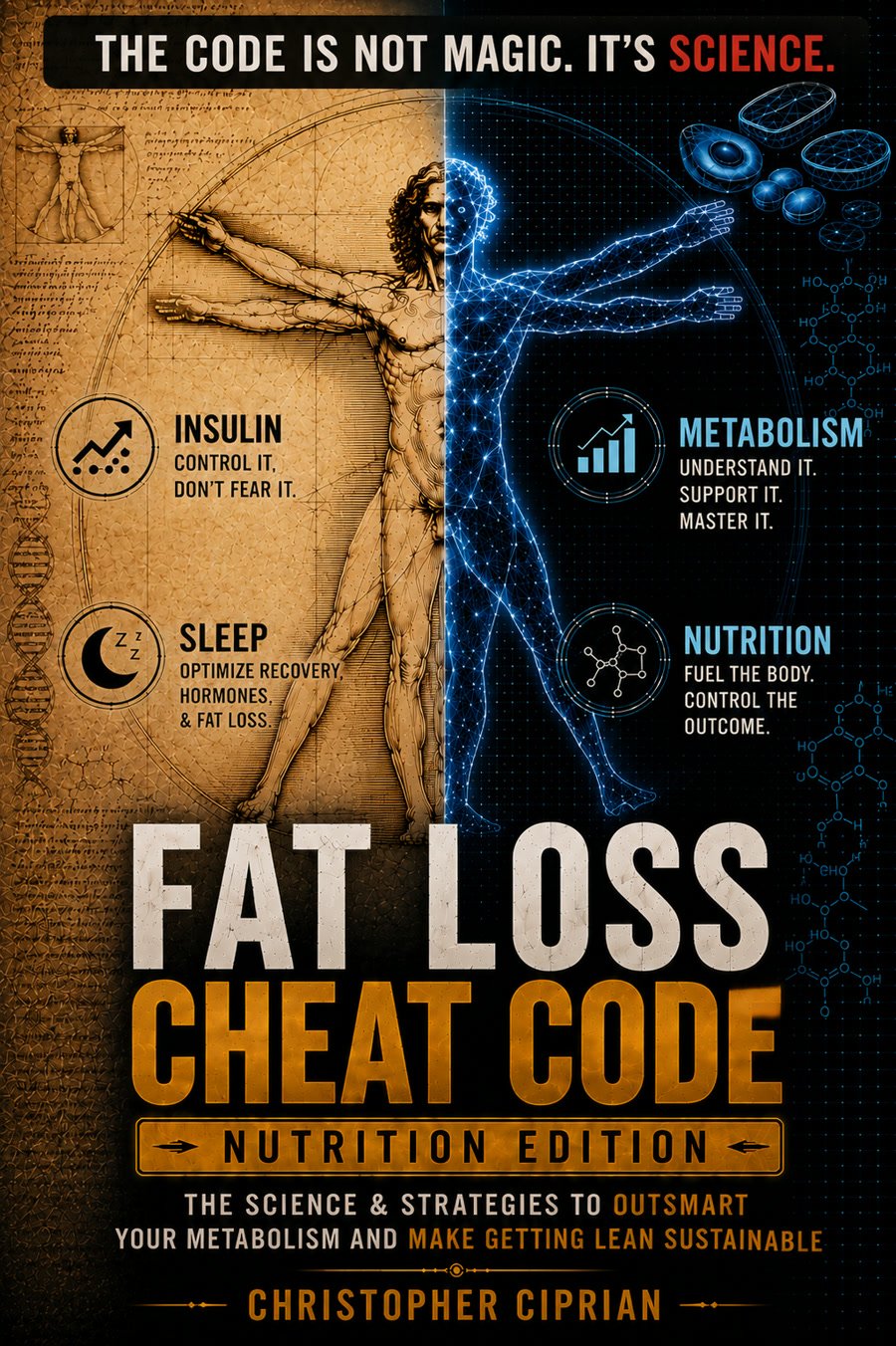
The whole system is in my book, Fat Loss Cheat Code: Nutrition Edition. It’s how you outsmart your metabolism, with every cheat code and the science behind it. The adaptation period and the low carb mistakes are in chapter four.
Buy on AmazonAnd if you’d rather have someone in your corner for the first three weeks, that’s what coaching is for.
Sources: Kreitzman et al., American Journal of Clinical Nutrition, 1992 (glycogen and water); Nymo et al., International Journal of Obesity, 2017 (31 adults, appetite on a ketogenic very low energy diet); Lei et al., 2022 (33 trials, low carb vs low fat).